EN

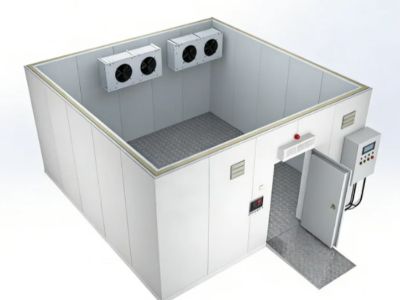
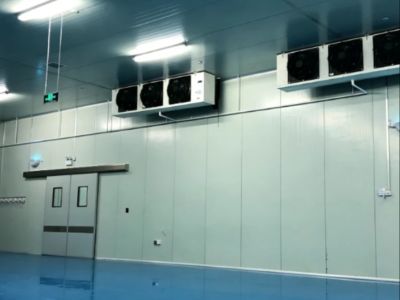
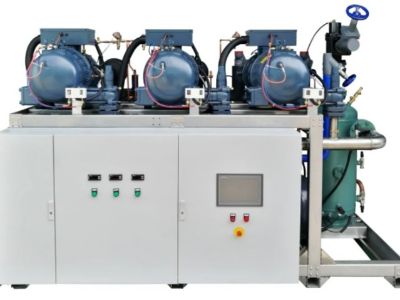
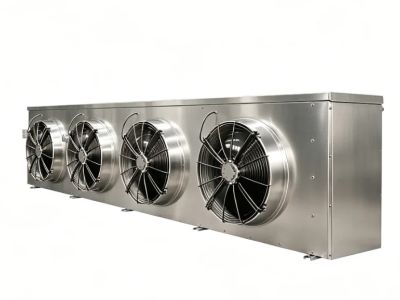
When sourcing industrial blast freezers, B2B buyers face a range of considerations that affect their operational efficiency and product quality. These highly specialized cooling systems are essential in industries like food processing, pharmaceuticals, and logistics, where rapid temperature reduction is crucial to preserving product integrity. This article will guide you through key specifications, purchasing tips, cost factors, and applications of blast freezers, enabling you to make informed decisions tailored to your specific needs.
Wholesale Purchasing Tips for Reliable Blast Freezer Suppliers
Sourcing blast freezers from reliable suppliers is crucial for ensuring product quality and after-sales support. Here are some tips to consider:
Check Manufacturer Experience: Look for suppliers with a proven track record in manufacturing blast freezers. Companies like Shanghai Zhaoxue Refrigeration Co., Ltd. bring extensive experience in producing energy-efficient cold storage solutions tailored to various industries.
Request References: Ask for references from previous clients to gain insights into the supplier’s reliability and product performance. This step can help you avoid common pitfalls associated with untested suppliers.
Evaluate Customization Capabilities: Ensure the supplier can provide customized solutions that meet your specific requirements. Flexibility in design and engineering is often vital for achieving optimal performance in unique applications.
Assess Quality Assurance Processes: Quality control is paramount in manufacturing. Confirm that the supplier has stringent quality assurance protocols in place, including testing procedures and certifications that align with industry standards.
Review After-Sales Support: A supplier's commitment to after-sales service can greatly impact your experience. Look for companies that offer maintenance, spare parts availability, and responsive customer service.
Compare Pricing and Terms: While price shouldn’t be the sole factor, it’s essential to compare quotes from multiple suppliers. Ensure that you understand the total cost of ownership, including installation, maintenance, and energy consumption.
By following these tips, you can establish a partnership with a trustworthy supplier, ensuring a smooth procurement process and reliable equipment.