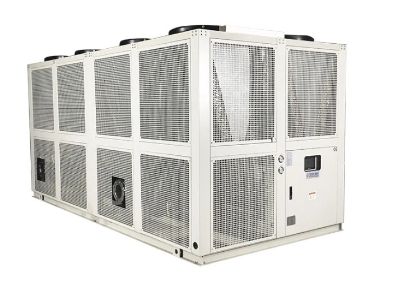
Blast Freezer Price: Key Specifications & Sourcing

Let's Discuss Your Needs

Every great collaboration starts with a friendly chat.
We're here to help you figure things out and find the best way forward.
Company Name
Name
Email
WhatsApp
Mobile

blast freezer price

When considering the purchase of a blast freezer, understanding its price in relation to specifications, applications, and supplier reliability is crucial for B2B buyers. A blast freezer is an essential piece of equipment used to quickly freeze products, which is particularly important in the food and pharmaceutical industries. This article will help purchasing managers, distributors, and engineers navigate key considerations, leading to informed decisions on blast freezer price and sourcing.

Where to Source Reliable Suppliers for Bulk Blast Freezer Orders

Finding reliable suppliers for bulk orders of blast freezers requires careful consideration. Start by identifying manufacturers with robust experience in the refrigeration industry. Companies like Shanghai Zhaoxue Refrigeration Co., Ltd. have established themselves as reputable suppliers in energy-efficient cold storage solutions.

Industry Associations: Joining industry associations can help connect buyers with certified suppliers. These organizations often have databases of reputable manufacturers and can provide insights into their credibility.

Trade Shows and Expos: Attending industry-specific trade shows allows buyers to see products firsthand and engage directly with manufacturers. This interaction can also provide insights into customer service and support.

Online Marketplaces: Platforms like Alibaba or ThomasNet can be useful for sourcing suppliers. However, it's important to verify the supplier's reputation through reviews and previous customer feedback.

Direct Manufacturer Contact: Once potential suppliers are identified, direct communication regarding customization capabilities, MOQ, and pricing can also aid in building a trustworthy relationship. Exploring options such as Self-stacking Spiral Freezers can also be beneficial.

By utilizing these strategies, buyers can source reliable suppliers and ensure a smooth procurement process for their blast freezers.

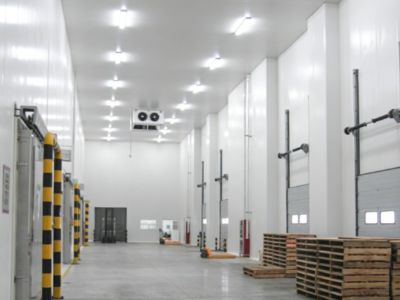
Understanding the Cost Factors of Industrial Blast Freezers

The price of a blast freezer can vary widely based on several factors.

Size and Capacity: Larger units with greater freezing capacities typically come at a higher price point. Buyers should evaluate their production requirements to determine the appropriate size, as oversized units can lead to wasted energy and costs.

Customization: Custom-engineered solutions tailored to specific applications or facility layouts can affect pricing. While these solutions may carry higher upfront costs, they can lead to long-term operational efficiencies.

Material Quality: The choice of construction materials impacts both performance and longevity. Higher-grade materials may increase initial costs but can provide better insulation and reduce energy consumption over time.

Supplier Reputation: Established manufacturers may command higher prices due to proven reliability, superior technology, and better customer support. Investing in a reputable supplier can mitigate risks associated with equipment failure.

Installation and Maintenance Costs: Often overlooked, the total cost of ownership includes installation and ongoing maintenance. Buyers should inquire about these costs upfront to avoid budget overruns later.

Understanding these cost factors can help buyers make informed decisions that align with their financial and operational goals.

Installation Guidance for Your New Blast Freezer System

Proper installation of a blast freezer is essential for optimal performance. Here are key considerations:

Site Assessment: Before installation, conduct a thorough site assessment to ensure the area can accommodate the freezer’s size and weight. Consider local climate conditions, as these can affect the unit’s performance.

Electrical and Plumbing Requirements: Check that the electrical supply meets the blast freezer's requirements. Ensure that plumbing connections for drainage are adequate and comply with local codes.

Ventilation: Adequate ventilation is crucial to prevent overheating. Ensure there is sufficient space around the unit for proper airflow and maintenance access.

Testing After Installation: Once installed, conduct tests to confirm that the freezer operates within the specified temperature range. This step is critical to prevent product loss and ensure compliance with safety regulations.

Training for Operators: Providing training for operators on how to use and maintain the blast freezer can prevent operational mishaps and extend the equipment's lifespan.

Following these guidelines will help ensure a successful installation and maximize the performance of the new blast freezer system.

Applications of Blast Freezers in Food and Pharma Industries

Blast freezers play a pivotal role in both the food and pharmaceutical industries.

Food Industry: In food processing, blast freezers are vital for preserving the quality of products such as fruits, vegetables, meats, and seafood. Rapid freezing prevents the formation of large ice crystals, which can damage cell structure and affect texture. This process is essential for both storage and when preparing products for shipping.

Pharmaceutical Industry: For pharmaceuticals, maintaining the integrity of sensitive products, including vaccines and biologics, is crucial. Blast freezers ensure that these products maintain their efficacy during storage and transport, which is vital for compliance with health regulations.

Logistics: In logistics, blast freezers facilitate the quick freezing of products before transport, ensuring that temperature-sensitive items reach their destination in optimal condition.

Customization for Specific Needs: Different applications may require specific temperature ranges or automation features. Buyers should communicate their unique requirements to suppliers to ensure the best fit for their operational needs.

By understanding these applications, buyers can better appreciate the value of investing in a blast freezer tailored to their industry requirements.

Key Specifications to Review

When evaluating blast freezers, several key specifications should be carefully reviewed to ensure they meet operational requirements.

Cooling Capacity: Measured in BTUs or kW, this indicates how quickly the unit can freeze a specified amount of product. Higher capacity often correlates with a higher price but is essential for efficiency, especially in high-volume operations.

Temperature Range: Most industrial blast freezers operate effectively at temperatures between -40°C to -60°C. It’s important to ensure the unit can maintain these temperatures consistently for the intended application, as fluctuations can lead to product quality degradation.

Construction Materials: Stainless steel is commonly used for the interior and exterior due to its durability and resistance to corrosion. The insulation thickness also affects thermal efficiency and energy consumption, impacting long-term operational costs.

Automation Features: Modern blast freezers may come with automated controls for temperature management and monitoring. While these features increase upfront costs, they can improve operational efficiency and reduce labor costs over time.

Energy Efficiency: Look for models with energy-efficient ratings. Although they might have a higher initial blast freezer price, they can significantly lower operational costs over their lifespan. Additionally, considering options like the Tunnel Freezer can offer further efficiencies.

By assessing these specifications, buyers can ensure that the blast freezer they choose aligns with their production needs and budget.

Frequently Asked Questions

What factors determine blast freezer price?

Price depends on capacity, target temperature, cooling method, insulation, automation level, site conditions, and customization for food or pharma requirements.
Yes. We design and build custom automated blast freezers tailored to capacity, temperature profiles, layout, and regulatory needs.
We provide optional installation, commissioning, testing, and operator training. Quotes specify which services are included or offered as add-ons.
Energy-efficient compressors, optimized insulation, and controls increase upfront cost but reduce lifecycle energy expenses and total cost of ownership.
Yes. Provide required capacity, target temps, product type, and site details. We’ll supply a tailored quote with estimated lead time and options.

Our Blog Posts

how to set cold room temperature

03

Nov

how to set cold room temperature

Setting the right cold room temperature is crucial for industries that rely on precise temperature control to maintain the quality and safety of their products. Whether you are in the food, pharmaceutical, or logistics sector, understanding how to se...
View More
what is a chiller used for

03

Nov

what is a chiller used for

Industrial chillers are critical components in various sectors, providing precise temperature control for a range of applications. Understanding what a energy-efficient chillers is used for can greatly influence purchasing decisions for business...
View More
what is the standard temperature of chiller

03

Nov

what is the standard temperature of chiller

Understanding the standard temperature of chillers is crucial for multiple industries, including food, pharmaceuticals, and logistics. This article dives into the specifics of what is the standard temperature of a energy-efficient chillers, addressin...
View More
what are the methods of food preservation

03

Nov

what are the methods of food preservation

Food preservation is a critical process for maintaining the quality and safety of perishable items, especially in the food industry. Understanding what are the methods of food preservation can help businesses minimize waste, ensure product integrity,...
View More

Leave a Message

Email
Name
Company Name
Message
0/1000

Related product categories