Key Factors in Cold Storage Chiller Units

Let's Discuss Your Needs

Every great collaboration starts with a friendly chat.
We're here to help you figure things out and find the best way forward.
Company Name
Name
Email
WhatsApp
Mobile

cold storage chiller unit

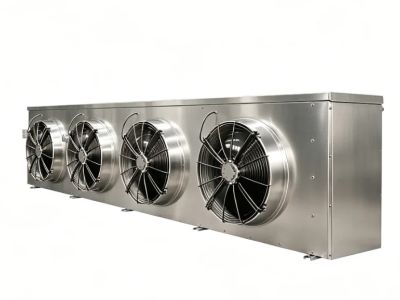
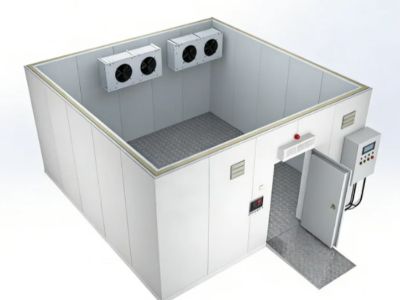
A cold storage chiller unit is an essential asset for businesses requiring temperature-controlled environments to preserve perishable goods, pharmaceuticals, and other sensitive products. As a B2B buyer, understanding the critical specifications, cost factors, and common issues associated with these units can significantly influence your purchasing decision. This article will provide insights into evaluating cold storage chiller units, ensuring you make informed choices that meet your operational needs.

Cost Factors to Consider When Purchasing Cold Storage Chiller Units

The total cost of a cold storage chiller unit comprises several factors beyond the initial purchase price:

Customization: If you require specific features or dimensions, customization can increase costs. Discuss your specific needs with the manufacturer to understand how these adjustments impact pricing.

Installation and Setup: Installation costs can vary widely based on the complexity of the setup and the existing infrastructure of your facility. Ensure you factor in these costs when budgeting.

Energy Costs: Consider the long-term energy consumption of the unit. Higher efficiency models may have a higher upfront cost but can lead to substantial savings over their operational lifetime.

Maintenance Requirements: Evaluate the maintenance needs of the unit. Some models require frequent servicing, which can add to operational costs. Inquire about recommended maintenance schedules and associated costs.

Warranty and Support: A robust warranty can save costs in the long run. Understand what is covered and the duration of the warranty to gauge potential future expenses.
Common Problems with Cold Storage Chiller Units and Their Solutions

Understanding common issues associated with cold storage chiller units can help you mitigate risks:

Temperature Fluctuations: This can arise from faulty sensors or inadequate insulation. Regular maintenance checks can catch these issues early. Ensure your unit has a reliable temperature monitoring system for real-time alerts.

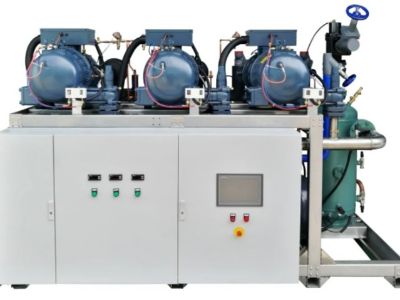
Mechanical Failures: Components such as compressors or fans may fail due to wear and tear. Implement a routine maintenance schedule and engage a trusted service provider for inspections to prolong the lifespan of your unit.

Frost Build-Up: Excessive frost can block airflow, leading to decreased efficiency. Regular defrost cycles and proper humidity control can help manage this issue.

Power Outages: Sudden power loss can compromise the integrity of stored products. Consider investing in backup power solutions or units with built-in redundancy to maintain critical operations during outages.

Noise Issues: Unusual sounds may indicate mechanical problems. Regular inspections can help identify potential issues before they escalate.

Installation Guidance for Your Cold Storage Chiller Unit

Proper installation is critical to the performance of your cold storage chiller unit. Here are key steps to ensure successful installation:

Site Preparation: Ensure the installation site has adequate space, proper flooring, and environmental conditions suited for the unit. Verify that the area is free from debris and can accommodate airflow around the unit.

Professional Installation: Engage experienced technicians for the installation process. They should follow manufacturer guidelines to ensure optimal performance and compliance with local codes.

Calibration: After installation, calibrate the temperature settings according to your specific requirements. This step is vital to ensure the unit operates at the desired efficiency.

Testing: Conduct thorough testing of the unit's functions, including temperature stability and alarm systems, before putting it into full operation. This helps identify any issues that may need addressing.

User Training: Train your staff on the operation and maintenance of the unit. Understanding how to manage settings and respond to alarms can prevent operational mishaps.

Applications of Cold Storage Chiller Units in Various Industries

Cold storage chiller units serve diverse applications across multiple industries:

Food and Beverage: Essential for preserving perishable items, these units help maintain the quality and safety of food products, from fruits and vegetables to meat and dairy.

Pharmaceuticals: Temperature-sensitive medications and vaccines require precise cold storage to ensure efficacy. Chiller units designed for this industry often include advanced monitoring systems.

Logistics and Distribution: In the logistics sector, cold storage chiller units are vital for maintaining the integrity of products during transportation. They facilitate the safe delivery of temperature-sensitive goods.

Floral and Horticultural: These units are used to extend the shelf life of flowers and plants by creating an optimal environment that slows decay.

Chemical Storage: Certain chemicals require specific temperature conditions to remain stable. Cold storage chiller units can help meet these requirements safely. For more options in cold storage, check out Cold Room solutions.

By understanding the specifications, cost factors, common issues, installation guidance, and applications of cold storage chiller units, B2B buyers can make informed decisions that align with their operational needs and budget constraints. As a manufacturer experienced in providing energy-efficient cold storage solutions, Shanghai Zhaoxue Refrigeration Co., Ltd. is equipped to support your requirements with custom-engineered options tailored to your industry.

Key Specifications to Evaluate in Cold Storage Chiller Units

When assessing cold storage chiller units, several key specifications should be prioritized to ensure optimal performance for your specific application:

Temperature Range: The ability to maintain a specific temperature is crucial. Depending on your needs, ensure the unit can operate within the required temperature range for your products. For example, food storage typically requires temperatures between -18°C to 0°C, while pharmaceuticals may need stricter conditions.

Cooling Capacity: Measure the unit's cooling capacity in BTUs or kilowatts. This specification indicates how quickly and efficiently the unit can lower and maintain the desired temperature. A unit with insufficient capacity may lead to product spoilage.

Energy Efficiency: Look for units that are energy-efficient, often indicated by their coefficient of performance (COP). Energy-efficient models can significantly reduce operational costs over time, making them a smart investment.

Construction Materials: The materials used in the construction of the chiller unit impact its durability and insulation properties. Stainless steel is commonly preferred for its corrosion resistance, while polyurethane insulation provides excellent thermal efficiency.

Control Systems: Advanced control systems allow for precise temperature management and monitoring. Features like digital controls, alarms for temperature deviations, and remote monitoring can enhance operational reliability.

Certifications: Check for relevant certifications, such as ISO standards, which can assure quality and compliance with safety regulations. Additionally, consider how REFRIGERATION UNITS play a role in maintaining these standards.

Frequently Asked Questions

What is a cold storage chiller unit?

A cold storage chiller unit is a refrigerated system designed to control temperature and humidity in cold rooms and freezers for food, pharma, and logistics applications.
Our chillers can maintain temperatures from -40°C to +10°C, adjustable by model to meet specific storage requirements.
Yes. We provide custom-engineered, automated chiller systems tailored to room size, temperature, insulation, and operational workflow.
Units use optimized compressors, variable-speed drives, and advanced controls to minimize energy use while maintaining stable temperatures.
We provide installation support, commissioning, training, preventive maintenance plans, spare parts, and remote monitoring options.

Our Blog Posts

what is the purpose of a cold room

03

Nov

what is the purpose of a cold room

The purpose of a cold room is essential for various industries, primarily focusing on the preservation and storage of temperature-sensitive products. This article delves into the role of cold rooms, specifically in the food industry, and provides ins...
View More
how to clean condensing unit

03

Nov

how to clean condensing unit

Cleaning a condensing unit is essential for maintaining the efficiency and longevity of refrigeration systems, particularly in industries like food processing, pharmaceuticals, and logistics. Proper cleaning helps prevent malfunctions, reduces energy...
View More
what does evaporator coil do

03

Nov

what does evaporator coil do

Understanding what an evaporator coil does is essential for anyone involved in the purchasing or maintenance of refrigeration systems. These coils play a crucial role in cooling processes by absorbing heat from the environment, making them indispensa...
View More
what are the methods of food preservation

03

Nov

what are the methods of food preservation

Food preservation is a critical process for maintaining the quality and safety of perishable items, especially in the food industry. Understanding what are the methods of food preservation can help businesses minimize waste, ensure product integrity,...
View More

Leave a Message

Email
Name
Company Name
Message
0/1000

Related product categories